
Bangalore's climate is relatively mild year-round, but humidity and dust still take a toll on the wrong materials.
Designing with sustainability in mind means less upkeep and a longer-lasting interior. It's less about any single "eco" feature and more about a handful of decisions, made early, that keep a home looking and functioning well for years rather than needing constant fixing.
Choose Materials That Suit the Climate
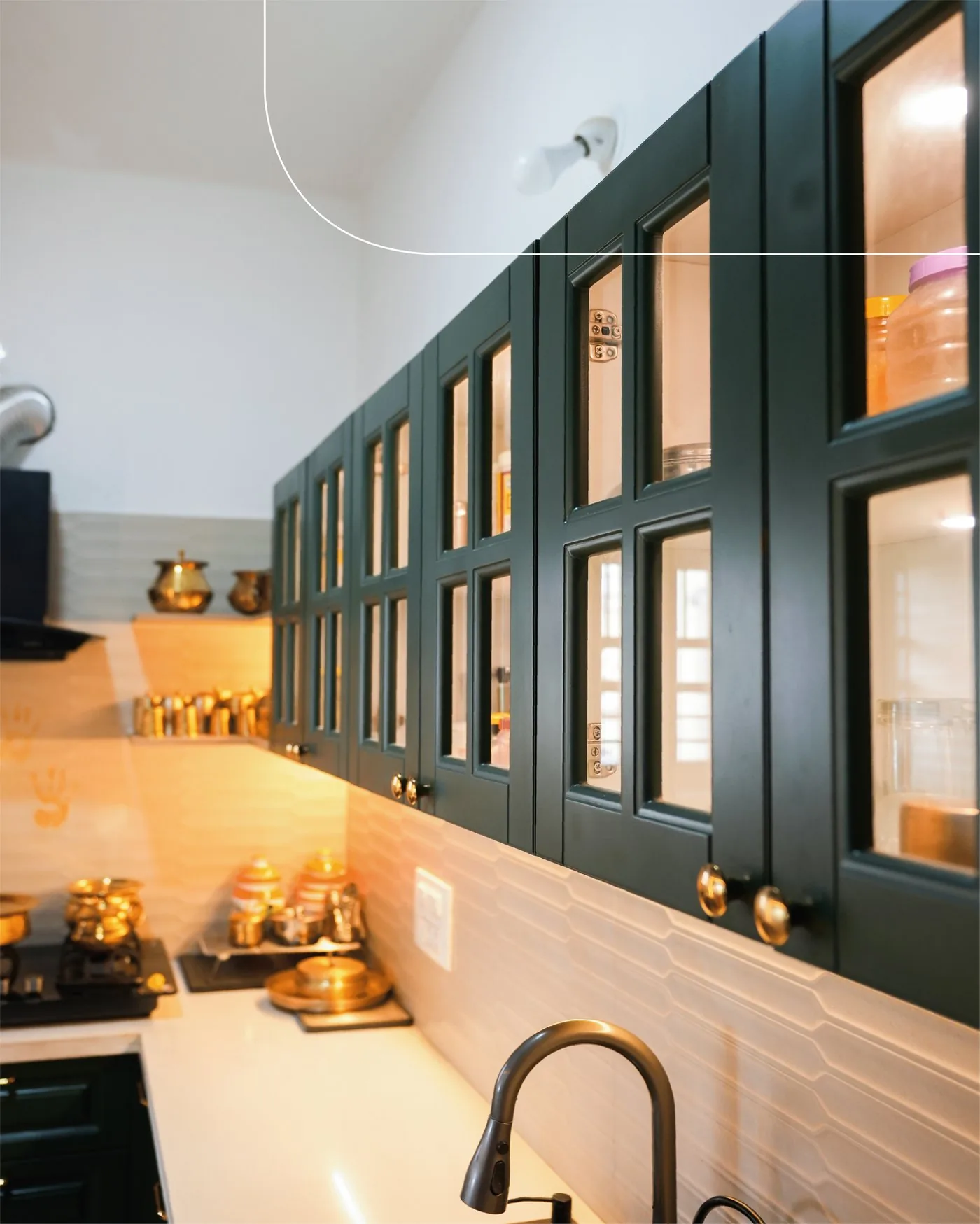
Moisture-resistant plywood and laminates, breathable fabrics, low-VOC paints. Bengaluru's humidity swings across the year are enough to warp standard MDF over time and cause ordinary paint to peel faster than it should, especially in kitchens, bathrooms and any wall that gets indirect monsoon dampness.
Moisture-resistant (MR or BWR grade) plywood costs a little more upfront than standard board but holds its shape and doesn't delaminate the way cheaper alternatives can. Breathable natural fabrics - cotton, linen - handle humidity better than fully synthetic upholstery, which can trap moisture and odour. Low-VOC paints also matter for a reason beyond eco-credentials: they off-gas less over the following weeks, which noticeably improves indoor air quality in a newly painted, still-closed-up home.
Design for Natural Light and Airflow
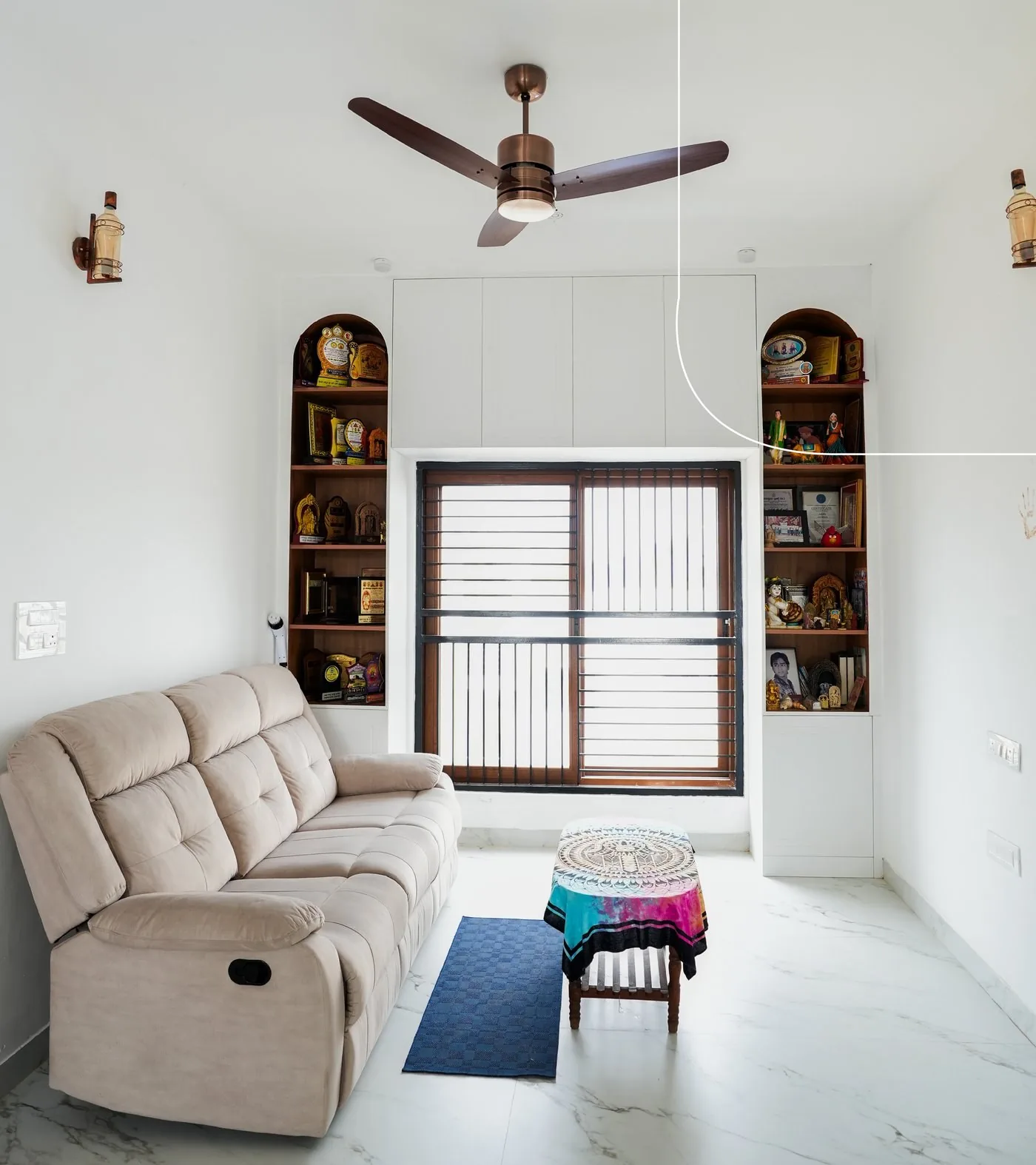
Cross-ventilation and thoughtful furniture placement reduce dependence on air conditioning. Bengaluru's weather rarely demands heavy air conditioning if a layout is designed to work with it rather than against it - which mostly comes down to not blocking the paths air and light would naturally take through a home.
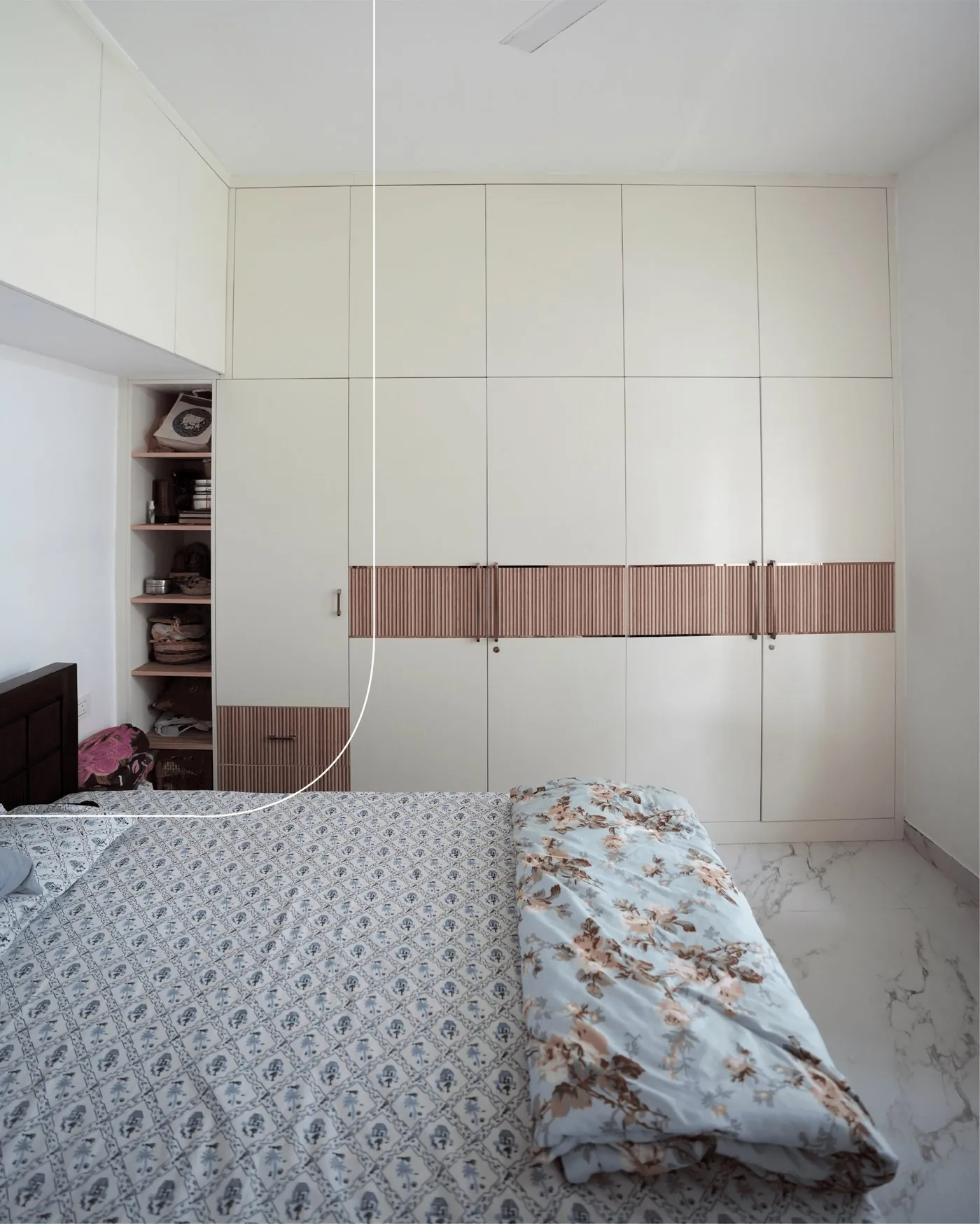
In practice this means keeping large furniture away from windows that offer a cross-breeze, using sheer curtains rather than heavy blackout fabric where privacy allows, and where the layout permits, keeping internal doors and partitions open enough that air can move between rooms rather than getting trapped in one. Even small changes - like which way a wardrobe faces - can measurably change how a room feels through the day.
Prioritise Durability Over Trend-Chasing
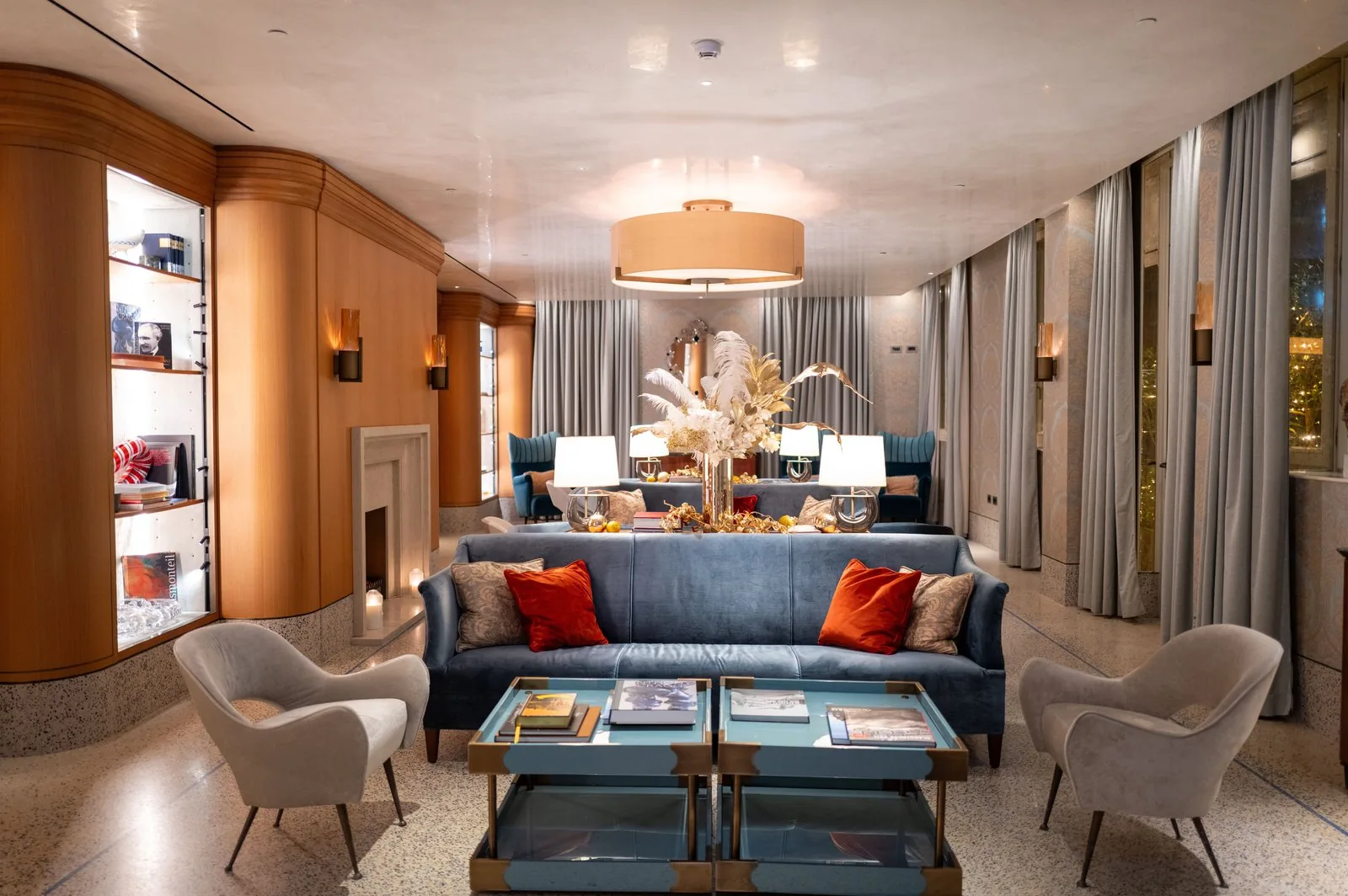
Classic, durable finishes in wood, stone, and natural tones age well. A strongly trend-led palette - a specific "in" colour, a shape of tile that's everywhere this year - can look dated within a few years, while a wardrobe replaced early because a finish is falling apart is a genuinely wasteful, avoidable cost.
This doesn't mean avoiding character or personality in a home. It means putting the trend-driven choices into elements that are cheap and easy to change later - cushions, art, an accent chair - and keeping the expensive, hard-to-replace elements (flooring, cabinetry, countertops) in materials and tones that will still feel right in ten years, not just this season.
Reduce Long-Term Maintenance
A genuinely low-maintenance interior isn't just about the materials - it's also about avoiding design choices that create ongoing upkeep for no real benefit. Intricate carved detailing collects dust in a way flat, clean-lined surfaces don't. Very light, porous stone countertops need regular sealing that darker or engineered alternatives don't. Ornate hardware with fine grooves is harder to keep clean than simple, well-made fittings.
None of this means a home has to look stripped-back or plain - it means being deliberate about where detail earns its place, and where a simpler choice will genuinely make daily life easier.
Designing for the Long Term
Sustainable, low-maintenance design in Bengaluru isn't a separate style - it's a set of practical decisions layered into whatever aesthetic you actually want, from material grade to airflow to which details are worth the extra cleaning. Get these right early and the home simply asks less of you for years afterward.
For more on getting the underlying planning right, our guide to common interior design mistakes in a 2 or 3 BHK home covers related ground, and our interior design services page outlines how we build these considerations into every project from the start.